This year, I had the opportunity to teach martial arts at CYC Chinese Youth Camp, a Houston Chinese community tradition dating back to 1984. One of the things that makes CYC special is its continuity—many of today’s staff members were once campers, Assistant Counselors, or Counselors themselves.
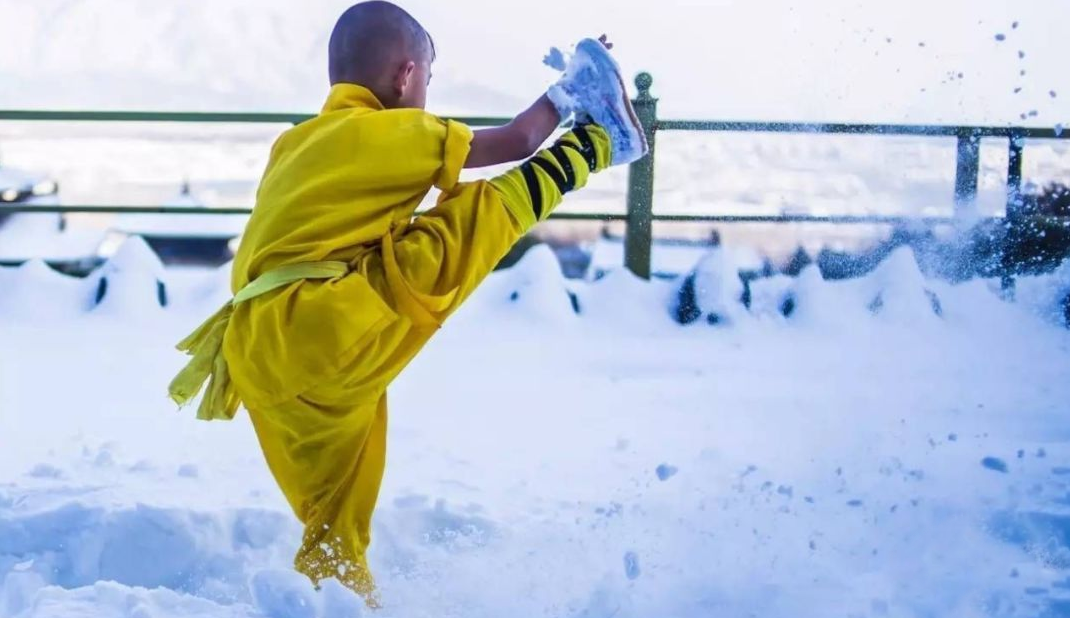
This year’s camp brought together roughly 250 campers, ages 8 to 18, across 12 cohorts. Most had little or no previous martial arts experience, so for many of them, this was their first introduction to Kung Fu. Alongside martial arts, campers participated in arts and crafts, Chinese yo-yo, folk dance, and other activities celebrating Chinese culture and community.
Over the course of the week, I was able to work with most cohorts twice. With limited time together, we focused on fundamentals: basic techniques, partner drills, coordination, and practical self-defense. The goal wasn’t to see how much material we could fit into a class. It was to give the students a strong enough foundation that they could understand the movements, work together, and actually do something with what they learned.
At the end of camp, families gathered for a two-hour closing ceremony showcasing what the campers had accomplished throughout the week. Three of the cohorts were selected to perform short martial arts demonstrations.
Let me say that again: They had two classes. Then they performed.
For many of these students, those two classes were their first real exposure to martial arts.
What impressed me most was watching the rehearsal. By that point, I barely needed to do anything. The students knew their positions, understood the sequence, worked with their partners, and helped keep the group organized. The rehearsal practically ran itself.
So I did what every instructor hopes to be able to do: I stepped back, pressed record, and watched them take ownership of what they had learned.
That, to me, is one of the most rewarding parts of teaching.
Good instruction isn’t about how much the instructor can demonstrate or how much information can be packed into a class. It’s about whether students can understand what they are learning, retain it, work together, and eventually perform without needing someone to constantly guide them.
These kids did exactly that.
I’m incredibly proud of what they accomplished in such a short amount of time, and grateful to CYC for giving me the opportunity to introduce another generation of young people to Chinese martial arts.