
Two weeks ago, we held our Q3 testing at Dragon Gate Kungfu.
Testing is a chance to see how much our students have learned—their techniques, stances, forms, and overall progress. But one of the things I value most about testing is the opportunity to talk with each student about something deeper than technique.
Martial arts isn’t only about what you can do. It is also about how you learn, how you struggle, and how you respond when you’re challenged.
During this testing, I spoke with two of our younger students about two very different lessons.
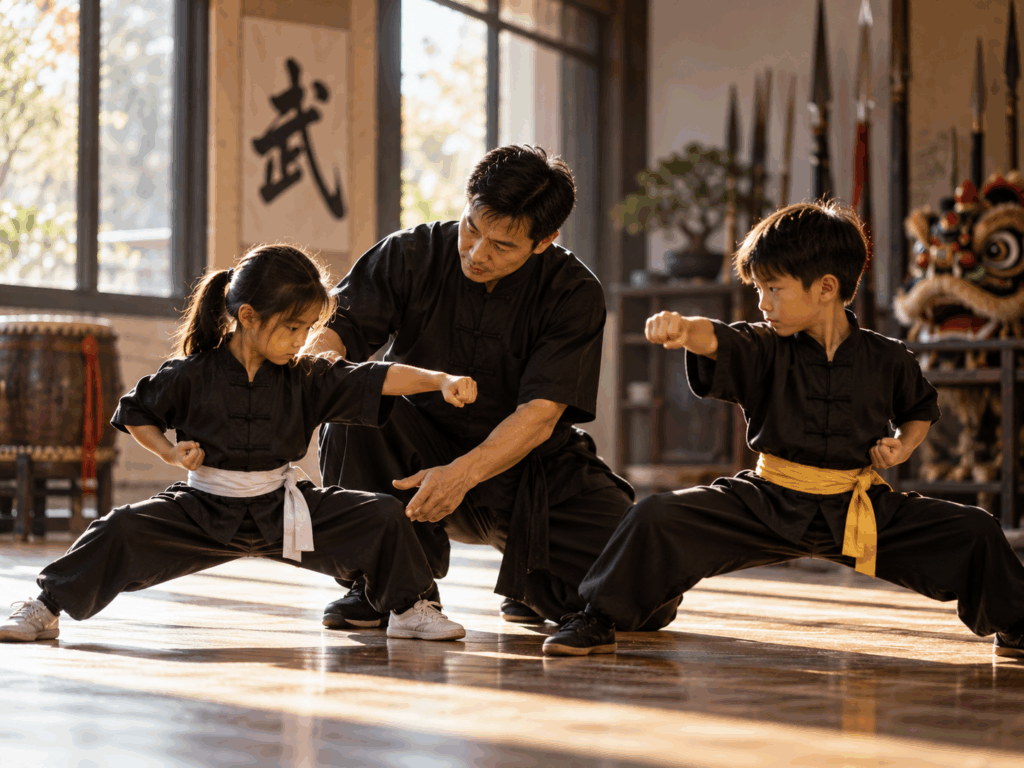
To Student M: Learning to Struggle
One of our students learns incredibly quickly. I can often demonstrate something once or twice, and she understands it.
That’s a wonderful ability to have.
But being a fast learner can create its own challenge. When you’re used to things coming easily, what happens when suddenly they don’t?
Frustration can come quickly. You may start thinking, “I can’t do this,” or want to give up.
As students advance in Kung Fu, that moment is inevitable. Eventually, everyone encounters a technique that doesn’t make sense after the first try—or the tenth.
I told her that I don’t expect her to get everything the first time. I don’t expect it the second time or even the tenth time.
There are things in my own training that I’ve practiced hundreds or thousands of times. One movement took me hundreds of thousands of repetitions before I finally felt that I understood it.
So when a student struggles, my expectation isn’t perfection.
My expectation is: don’t stop trying.
Ask your teacher to show you again.
Ask to see it slowly.
Ask to see it from another angle.
Recognize when you’re becoming frustrated. Breathe. Calm yourself. Then try again.
Being shown something new and immediately being able to do it is impressive.
But being shown something new, not being able to do it, trying again, still struggling, becoming frustrated—and choosing not to quit?
That’s bravery.
If everything is easy, we never learn how to struggle. And learning how to struggle without giving up may be one of the most important things martial arts can teach us.
She already knows how to learn quickly.
Now I want her to learn how to keep going when learning is hard.
Learning quickly will take you far.
Learning quickly and refusing to give up when things become difficult will take you much further.
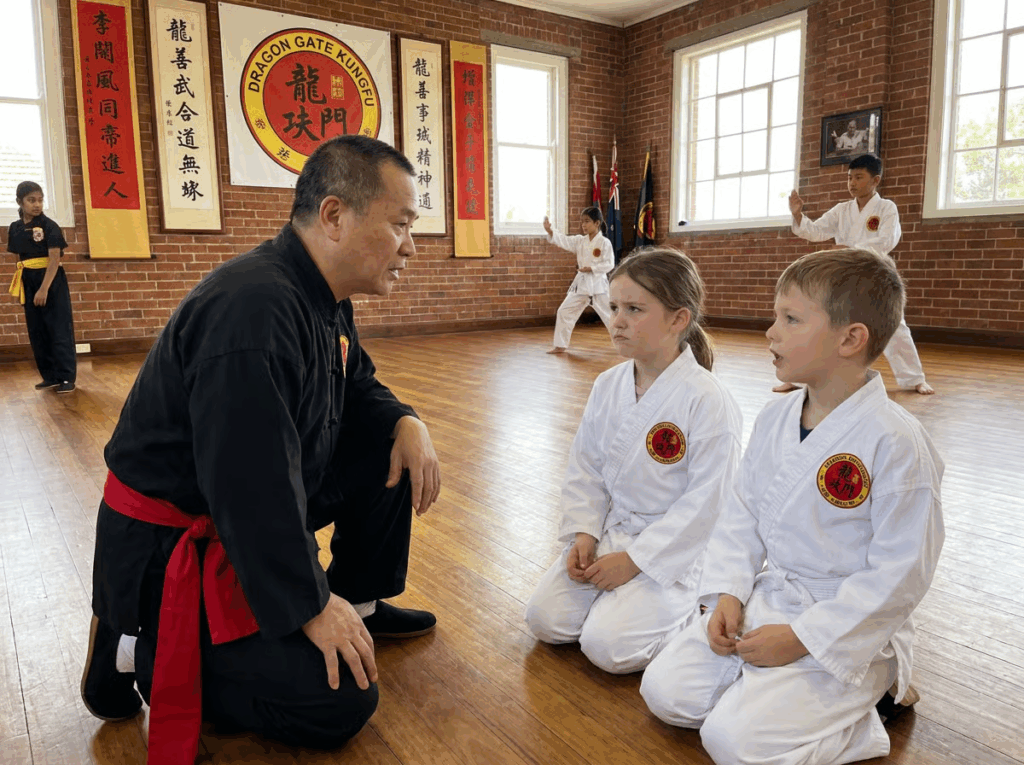
To Student X: Learning to Slow Down
Another student has almost the opposite challenge.
He also learns quickly, but he already knows how to struggle stubbornly.
I’ve watched him work on techniques that were difficult for him. I remember teaching him a backward roll and watching him struggle with it again and again.
He didn’t give up.
That’s an attitude I want him to keep.
His lesson is different: slow down.
When he learns something quickly, his instinct is often, “I got it. What’s next?”
Sometimes he’s already trying to move on before I’m ready for him to.
But understanding a movement and mastering a movement are very different things.
Take something as simple as a Tiger Stance.
Maybe you understand where your feet go. Good.
Now look again.
Can the stance be lower?
Is your weight in the right place?
Are your knees and feet aligned correctly?
Is your upper body relaxed?
Can you hold the position without losing its structure?
Can you make the stance look the same on the hundredth repetition as it did on the first?
There is always another layer.
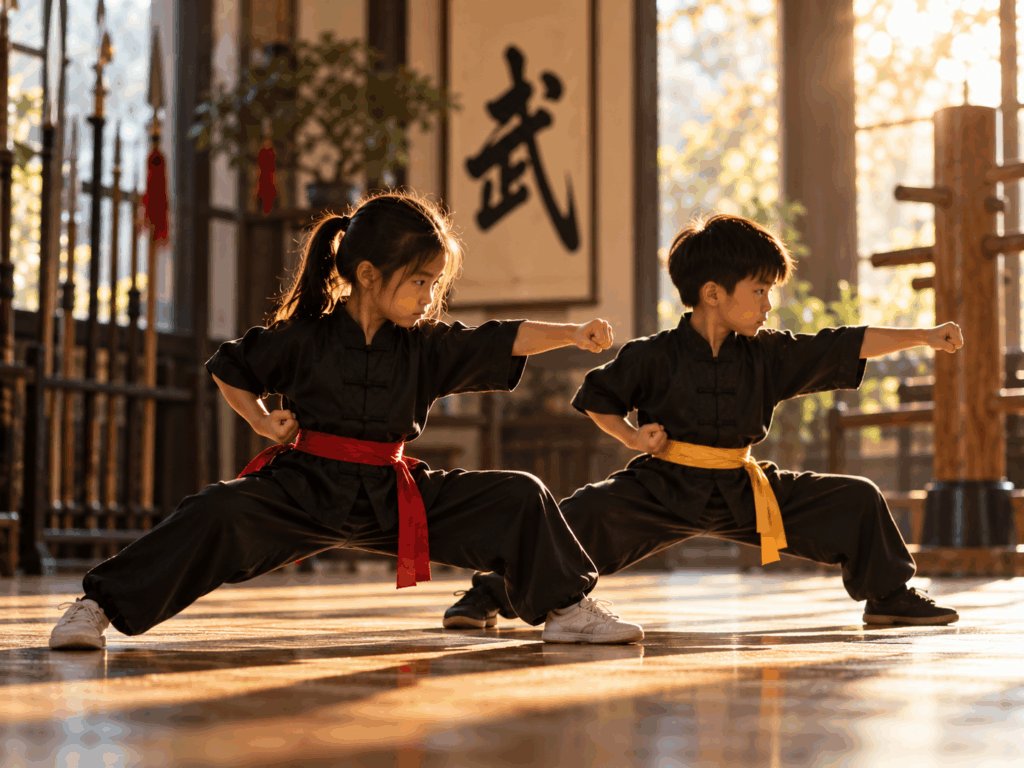
In Kung Fu, progress isn’t always about learning another technique. Sometimes progress means staying with something you already know and making it a little cleaner, stronger, more controlled, and more precise.
One student needs to learn that struggling doesn’t mean she should stop.
Another needs to learn that understanding something doesn’t mean he’s finished.
These may seem like opposite lessons, but they come from the same idea:
Learning isn’t a race to see how quickly you can reach the next thing.
Sometimes growth means pushing forward when something is difficult.
Sometimes growth means slowing down when something is easy.
A good martial artist eventually needs to learn both.
That’s why testing isn’t only about whether a student remembers a form or can perform a technique.
It’s a chance for us to ask a more important question:
What does this student need to learn next—not just to become better at Kung Fu, but to become better at learning?